Showing posts with label make do and mend. Show all posts

Wednesday, August 20, 2014

Mrs. Sew and Sew 1944

It's a movie break!

How to make popcorn:

Pour in just enough oil to cover the bottom of a heavy saucepan. Place three kernels of un-popped popcorn in the bottom of the pan. Cover the pan and heat the oil until you hear the three kernels pop.

Add as many kernels as will cover the bottom of the pan. Cover tightly.

Shake the pan over the fire or heating element so the kernels move. This prevents burning.

The kernels will start to pop at an amazing rate in a minute or so. When the popping sounds diminish to the point where you can only hear a couple of pops every 2-3 seconds, remove the pan from the heat.

Turn out your fresh popcorn into a bowl and salt lightly. 

Why popcorn? Because it's movie time!


If you enjoyed this movie, you might also like these books available here and there where vintage books are sold.

Wednesday, August 13, 2014

Mending: Armpit Rip

I've been finding a number of really nice tutorials on About.com under the DIY Fashion category. This one explains how to mend an underarm rip.

It has clear illustrations for repairing a rip in the armpit of a shirt including a section on how to make a gusset to fit (assuming this is not a simple seam repair).

This tutorial would also be useful for altering those too-tight underarms on blouses and workshirts.


Wednesday, August 6, 2014

Mending: Fix a Torn Seam

A split seam can be the easiest of repairs. Seam repairs are often needed in pockets or at shoulder joins. Here are some good visually based explanations for how to repair a couple of types of seams that have come apart.

How to fix a flat felled seam

Hand sew a ripped seam - gorgeous video

How to mend a seam


Tuesday, July 29, 2014

Mending: Repair Holes from Torn Out Buttons

Buttons either seem to disappear completely, become VERY loose with that wobbly "hope-it-stays-on-until-I-get-home" bit of thread, of it pulls off leaving a hole where the button used to be attached.

This super fantastic tutorial from Threads magazine explains how to solve that last problem with clear instructions and great photos.

If you need to repair a hole where a button has fallen off of your jacket, blouse, or skirt, just click, go, and sew. And another find for this fix.


Tuesday, July 15, 2014

Mending: How to Sew on a Button

There's a right way and a lazy-bum way to sew on a button.

This is a brilliant and easy Threadbanger video showing the right way to sew on a button.

And you get cool music in the background. Which makes it a kind of button-sewing-music-video.

And because this is so short and to the point, here's a little extra for you: How to organize those little zip lock bags with the extra button that comes with a new garment.

Tuesday, July 8, 2014

Mending: Bed Sheets

Oh, that thinned out, worn bed sheet area. It's one area. Why does the rest of the sheet look fine?

Here are several tutorials on how to mend your sheets and make then last much longer. Why should you? if you're like me, you like all cotton sheets. Not the new ones that are scratchy and have a very low thread count. Or even the new Egyptian cotton ones that are made with so many chemicals, they don't have that fresh dried-in-the-sunshine smell. Oh, no siree! I mean those old Cannon, USA made sheets that can only be found in thrift stores.

So I do anything I can to extend the life of these thick and delicious babies once they start to thin out. Which by the way, takes me years to do. These old sheets last longer than any new ones I've bought in the last 20 years.

Mending a bed sheet

How to mend a bed sheet

Sheet mending day

Mending a bed sheet hole

My mother used to mend the small holes by simple darning the hole with the sewing machine. By this, I mean she sewed back and forth on the sewing machine in one direction completely covering the small hole, and then she sewed back and forth perpendicular to (across) the first stitching. This covered the hole completely and made a new fabric.

Wednesday, June 25, 2014

Mending: Darning Socks


I love darning socks. Mostly because I love my wool socks and refuse to give them up. Darning is like the duct tape of sewing fixes. It's inexpensive, durable, and stays put.


Darning wool is easy to find. JoAnn's carries it in the US and both Spotlight and Lincraft carry it in Australia. You'll need tapestry needles, darning needles, or those kid plastic needles, anything with a large eye. You can use a darning mushroom inside your sock, but an orange or lightbulb will do.


Darning doesn't just grab edges and pull them together. No matter how much you wish it did.

It's a lovely process of creating a fabric by weaving back and forth across the hole and into the fabric to recreate the missing area.


Here are some lovely sites to show you how to darn your socks. You can also use this technique with sheets and cottons by sewing back and forth on your sewing machine and then again up and down.

How to Darn Socks

Make Do and Darn

Wednesday, April 9, 2014

Mending: How to Patch


Mending your clothing, towels, bedding, and other linens is a time honored and frugal tradition. When folks had to spin their own fibers and/or weave their own cloth and sew their own clothing, taking care of garments and linens was a time saving device.

Now we are inclined to throw away an otherwise perfectly good garment rather than mend it. Is the disposable garment saving you time?


How much did it cost you? How many hours did you (or your parent or partner) have to work to pay for it? How much will it cost to replace? How many hours will you (or your parent or partner) have to work to pay for it? Is it good fabric? Will you really be able to find a comparable well-made replacement in today's cheap import discount department store? Will the replacement item available be made from plastics (acrylic, polyester) rather than comfortable, breathable natural fibers (wool, cotton, hemp, rayon/viscose, ramie)?

If we take all those questions under consideration, we can see it takes less of your time, your money, and your raw materials to patch your clothing than it does to replace it.


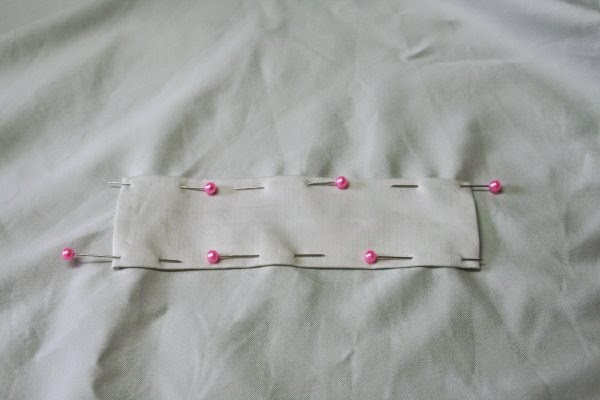
Here's how to do it:

4 Secrets to Patching Clothes
Mend Your Jeans
How to Mend a Hole with a Cute Patch